
Cubaris sp. ‘Amber Firefly’ isopods for sale
Quantity:
€12,00
€55,00
€100,00
€148,50
€242,50
€450,00
Cubaris sp. ‘Amber Firefly’, isopod information > care > photos > video
Origin: Thailand
Scientific name: Cubaris sp.
Trade name: Amber Firefly.
Basionym: N/A
Synonyms: N/A
Family: Armadillidae
Common name: N/A
Isopoda World List: genus Cubaris
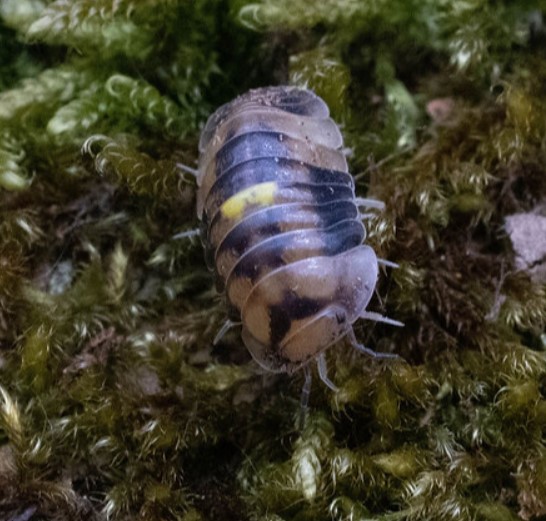
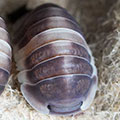
Captivating, radiant, and undeniably charming, Cubaris sp. ‘Amber Firefly’ is one of the most sought-after gems in the isopod hobby. Named for their luminous appearance, these isopods showcase a striking contrast between warm, golden-amber hues and deep charcoal markings, giving them a subtle “glowing” effect reminiscent of fireflies in the twilight. Like many beloved Cubaris species, they sport adorable, duck-bill-shaped faces and have a tendency to curl into tight, defensive balls when startled.
Originating from humid limestone-rich cave habitats in Thailand, ‘Amber Firefly’ isopods are relatively calm and docile, often growing more confident and visible as their colony matures. They spend their days exploring decaying leaf litter, nibbling on soft rotting wood, and congregating around damp hiding spots. While they reproduce at a slower, more deliberate pace compared to common beginner species, established groups are hardy and deeply rewarding to keep.
Whether you are an experienced isopod enthusiast looking to elevate your collection with a standout specialty species, or seeking an extraordinary focal animal for a lush bioactive vivarium, the ‘Amber Firefly’ brings unmatched beauty and personality to any enclosure.
Cubaris sp. ‘Amber Firefly’, isopod care
Size: adults may reach a length of 22 mm.
Activity: anytime; mostly night active.
Terrarium: keep ⅓ moist with moss, pieces of rotting white wood and also decaying leaves. Check out also our premium substrate.
Temperature: 22 – 28°C; it should not drop below 22°C for too long.
Humidity: 65 – 80%; they are not drought tolerant.
Diet: fruits, veggies, greens, fish-food, lichen, decaying leaves, rotting white wood, molting of invertebrates and reptiles. They will enjoy a slightly higher protein-based diet, at least 2x times a week. Be sure to check out our Protein mix foods. Also don’t forget a calcium source (cuttlefish bone, limestone & oyster seashell, limestone rock) to keep them healthy.
Difficulty: moderate to challenging.
Reproduction rate: fair to slow.
Growth rate: slow.
Check out also:

We provide reliable shipping across the EU, including popular destinations like Germany, France, and Italy. See our full list of delivery locations here.

 Exuvium Isopods