
Healthy, established colonies from a breeder in the Netherlands.
€62,50 : 5x isopods
€120,00 : 10x isopods
€178,50 : 15x isopods
€292,50 : 25x isopods
Interested?
Listed for sale are mixed size CB isopods; young or subadults, not mancae.
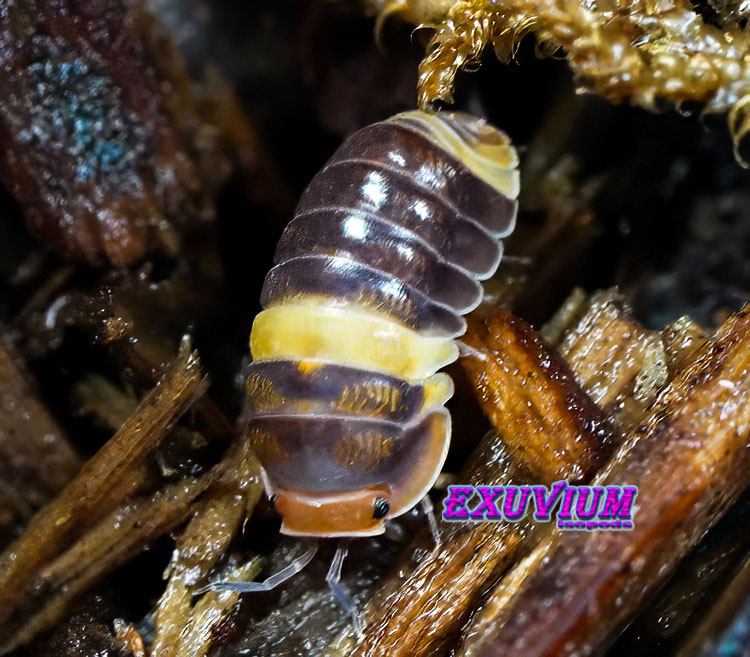
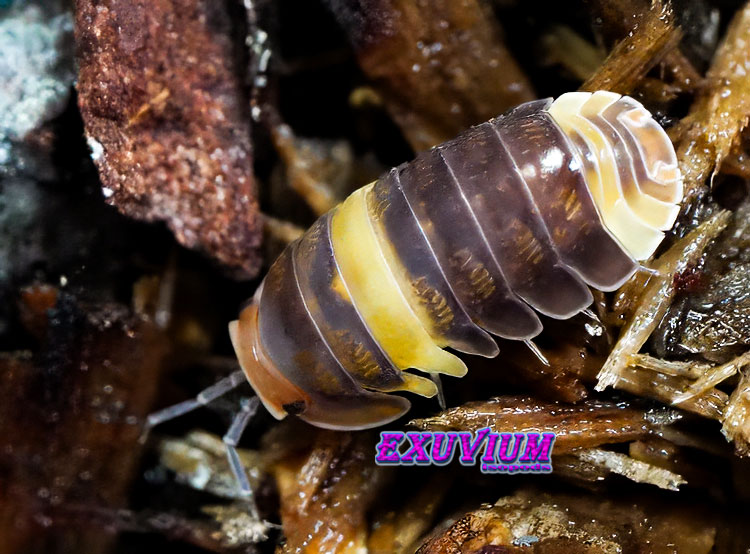
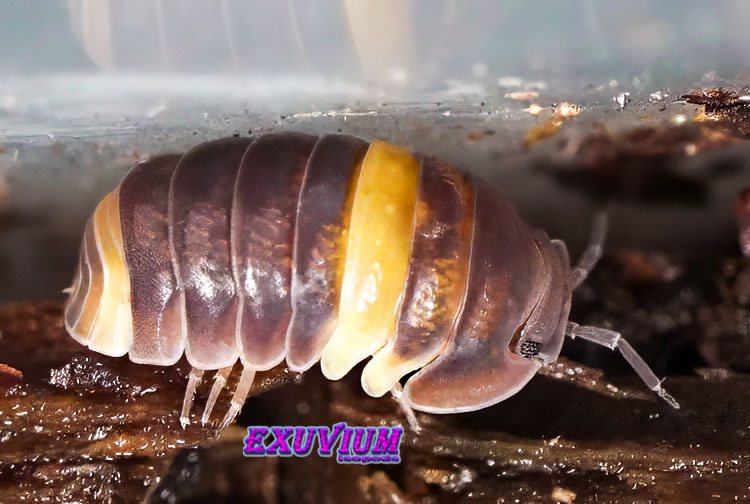
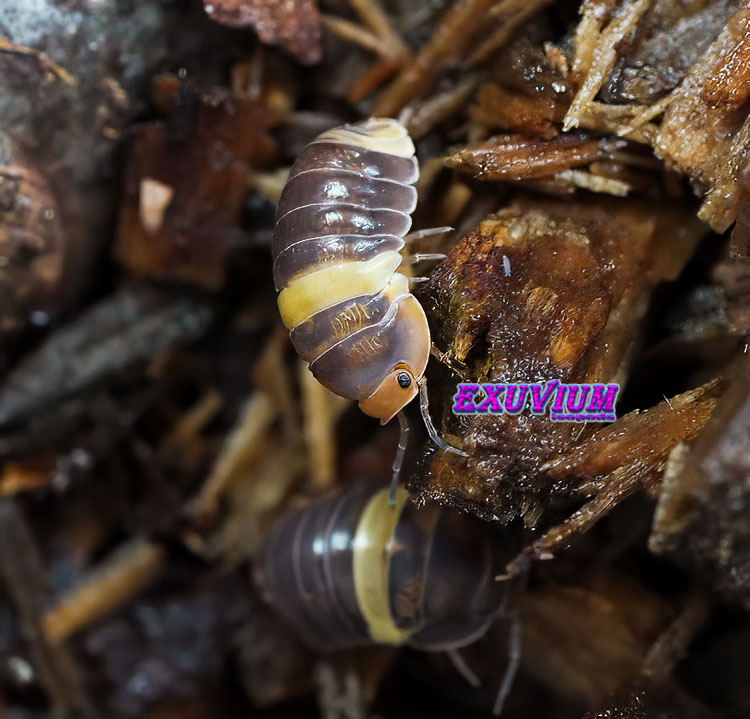
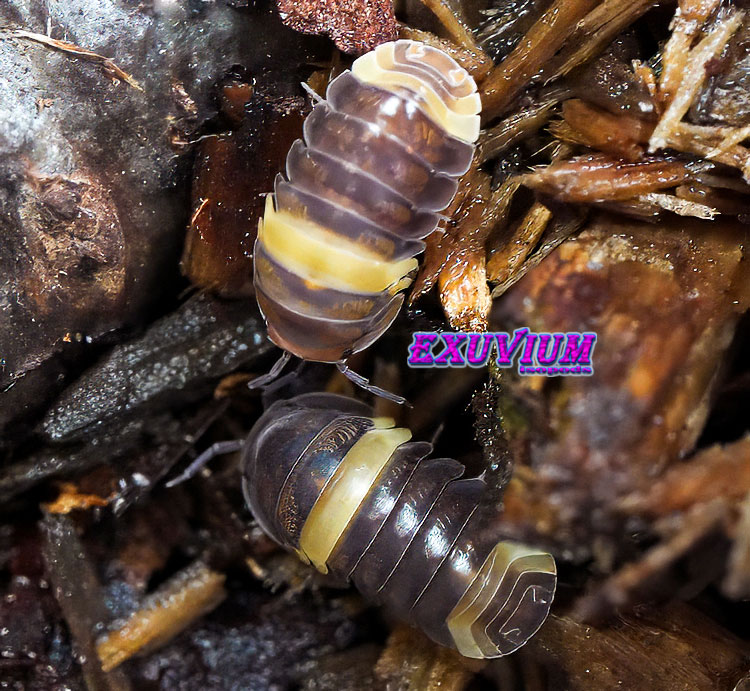
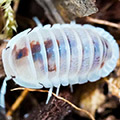
Cubaris sp. ‘R13 Ducky’, isopod information > care > photos > video
Origin: Malaysia.
Scientific name: Cubaris sp.
Trade name: R13 Ducky.
Trade name synonym: Dirty Ducky
Basionym: N/A
Synonyms: N/A
Family: Armadillidae
Common name: N/A
Isopoda World List: genus Cubaris
Bring home one of the most sought-after jewels of the isopod hobby with the Cubaris sp. ‘R13 Ducky’. Originating from a highly restricted micro-habitat along Route 13 in Negeri Sembilan, Malaysia, these premium terrestrial isopods boast earthy, dark-toned bodies contrasted by bold yellow markings and that undeniably adorable, iconic “ducky” face. Best suited for intermediate to advanced keepers, the R13 thrives when its tropical, limestone-rich native environment is closely replicated. To build a successful colony, you will need to provide them with a distinct moisture gradient, stable temperatures between 22–26°C, and a deep, nutrient-dense substrate topped generously with decaying hardwood leaf litter and soft rotting wood. Because they evolved in isolation on limestone karsts, a constant supply of environmental calcium—such as limestone rock, oyster shell, or cuttlebone — is absolutely critical for healthy molts, alongside occasional protein treats like our Cubaris protein boost, or gammarus shrimp. While they are a slower-breeding species that requires a bit of patience, their rarity, captivating colors, and charming behaviors make the R13 Ducky an incredibly rewarding centerpiece for any dedicated invertebrate collector’s bioactive enclosure.
Cubaris sp. ‘R13 Ducky’, isopod care
Size: adults may reach a length of 10 – 12 mm.
Activity: nighttime; their typical characteristic is congregating together or tightly rolling into a perfect, armored ball when threatened.
Terrarium: keep ⅓ to ½ moist to create a distinct moisture gradient, using forest moss, pieces of tree bark or cork bark and also decaying leaves over a deep substrate. Check out also our premium substrate and ultra premium substrate.
Temperature: 22 – 26°C
Humidity: 70 – 80%.
Diet: fruits, veggies, greens, fish-food, forest moss, lichen, gammarus shrimp, decaying leaves, white rotten wood, mushrooms, molting of invertebrates and reptiles. They will enjoy occasional high-protein treats. Be sure to check out our Cubaris protein boost. Also don’t forget a calcium source (calcium triple boost, cuttlefish bone, limestone & oyster seashell, limestone rock) to keep them healthy and aid their molts.
Difficulty: intermediate to advanced.
Reproduction rate: slow.
Growth rate: slow.
Lifespan: 2 to 3 years for CBB isopods.
We provide reliable shipping across the EU, including popular destinations like Germany, France, and Italy. See our full list of delivery locations here.

 Exuvium Isopods