
Healthy, established colonies from a breeder in the Netherlands.
Quantity:
€8,00
€37,50
€70,00
€103,50
€167,50
€325,00
Interested?
Listed for sale are mixed size CB isopods; young or subadults, not mancae.
Porcellio scaber ‘Skewbald Tri’, isopod information > care > photos
Distribution: widespread (for the common wild type Porcellio scaber isopods).
Scientific name: Porcellio scaber
Variety name: Skewbald Tri
Basionym: Porcellio tristis
Synonyms (unaccepted): Oniscus granulatus, Philoscia tuberculata, Porcellio cayennensis, Porcellio nigra, Porcellio scaber and many more.
Family: Porcellionidae
Common name: N/A
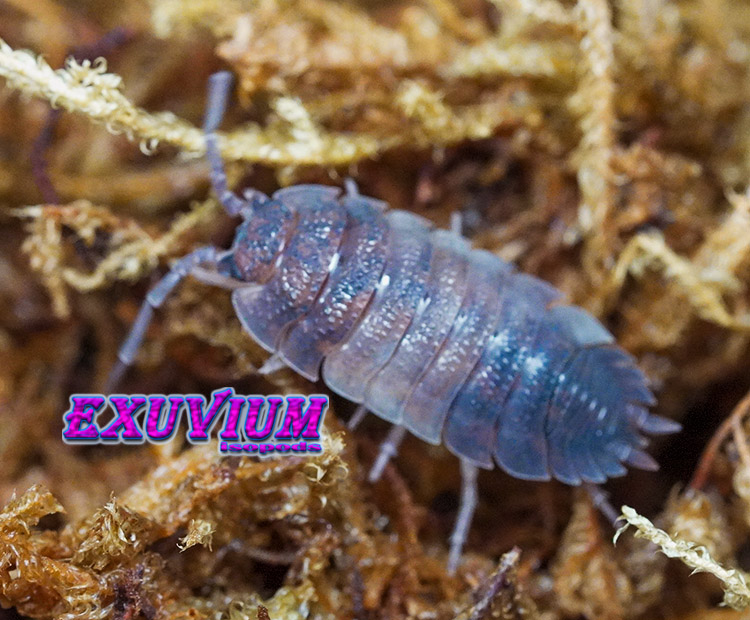
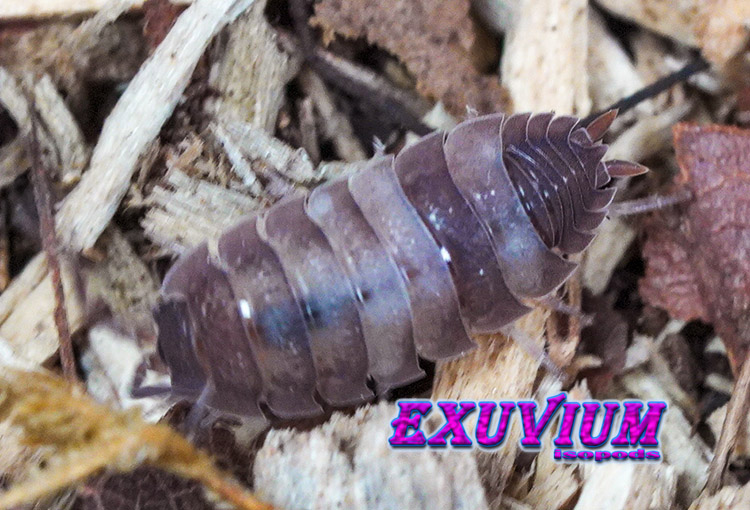
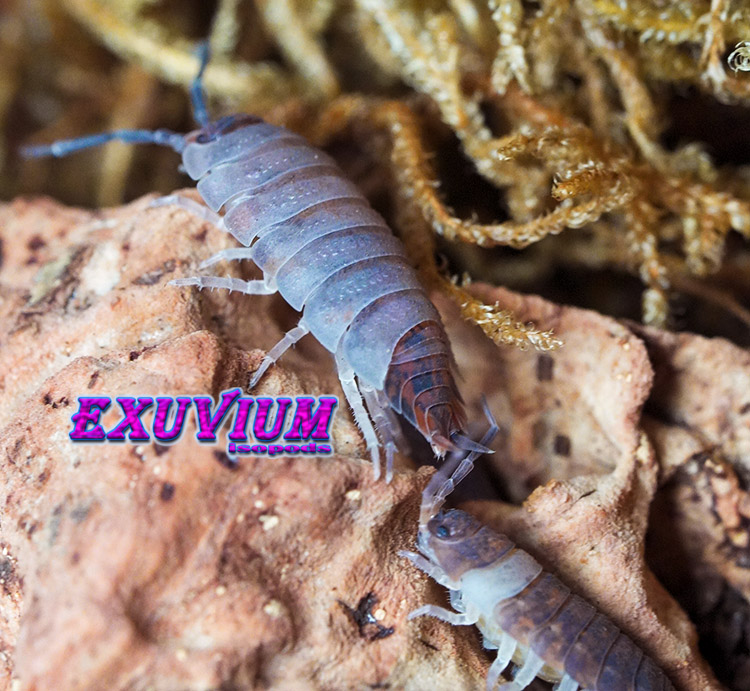
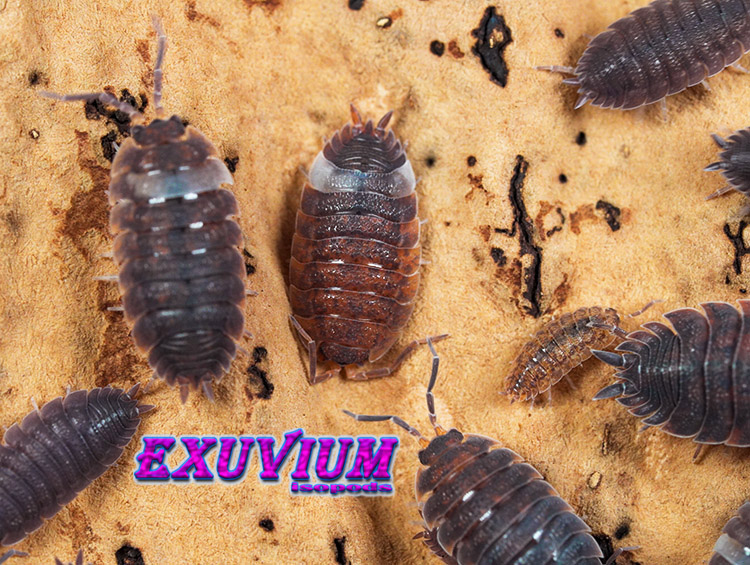
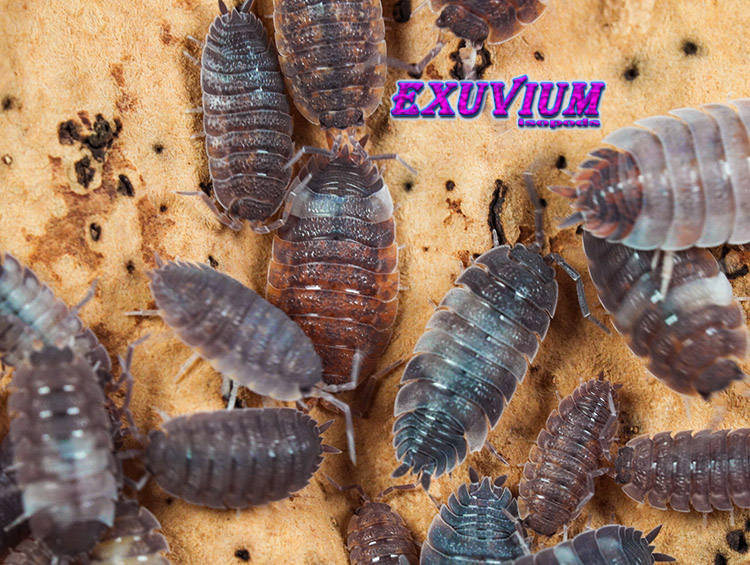
Meet the Porcellio scaber ‘Skewbald Tri’: A Patchwork Marvel
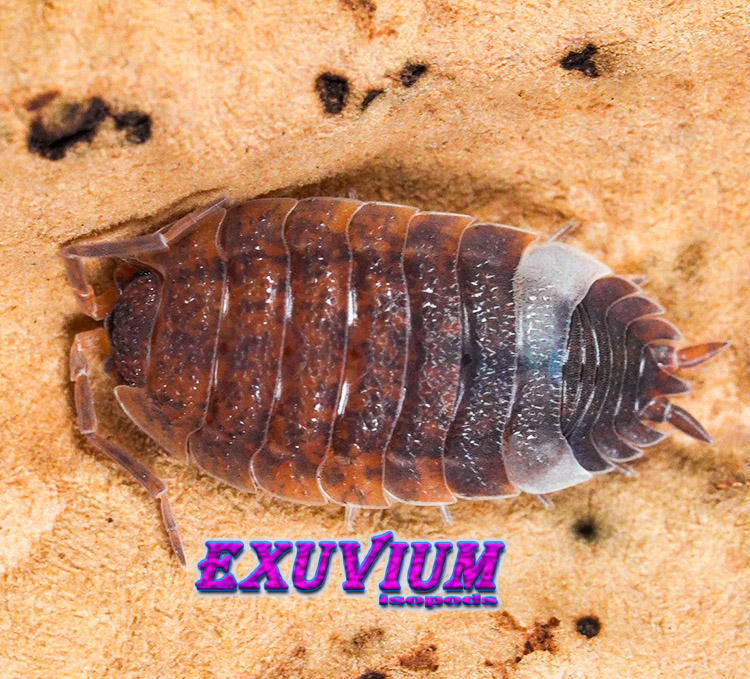
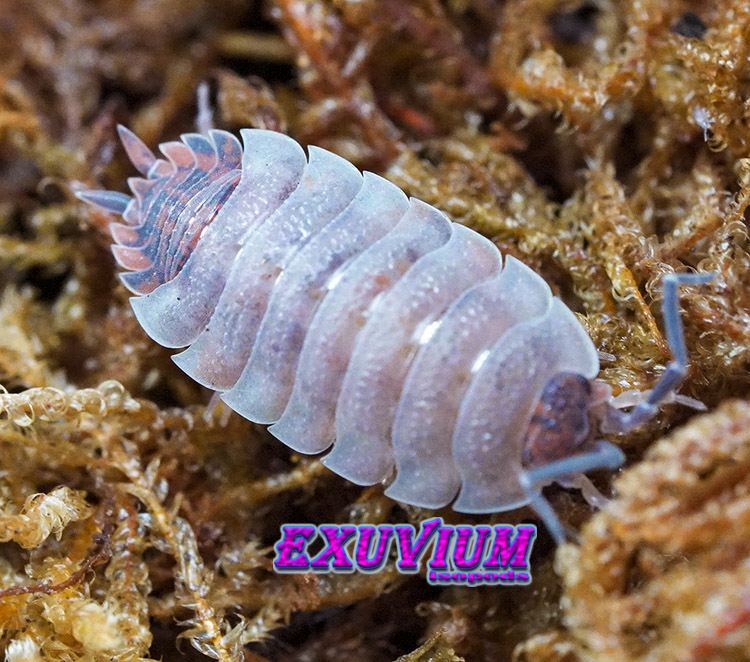
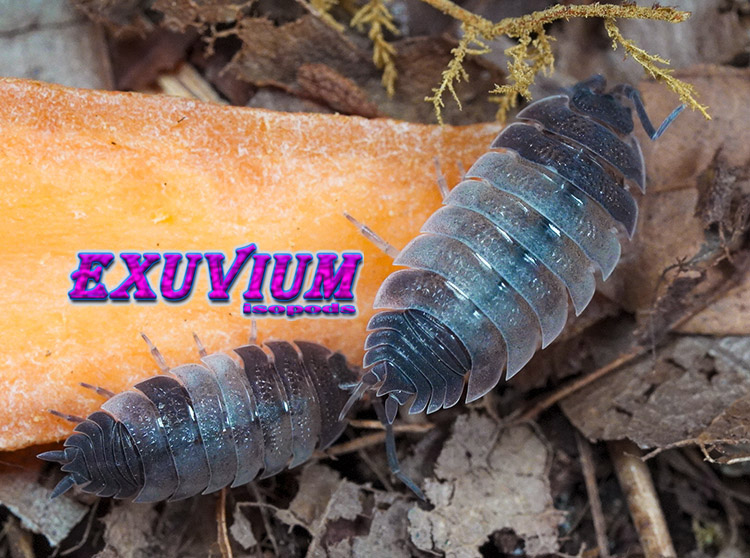
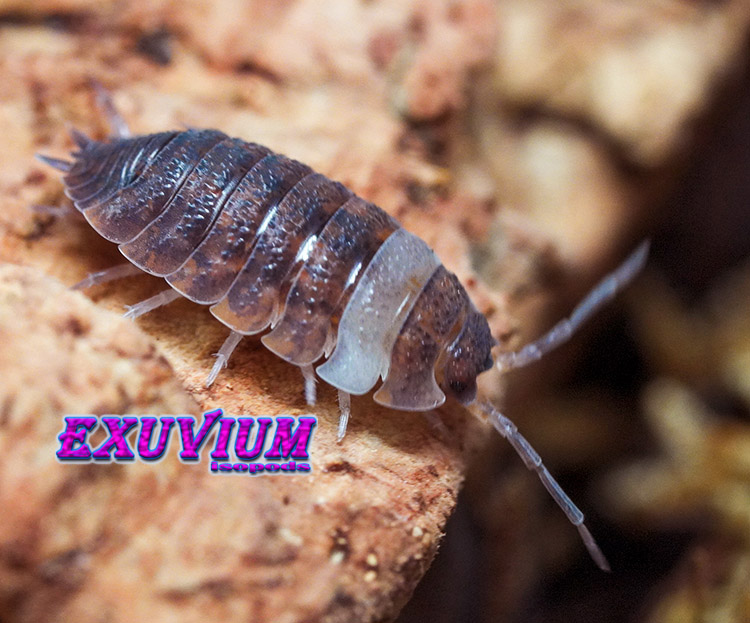
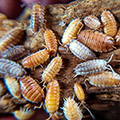
If you are looking to add a splash of unique, unpredictable color to your collection or bioactive enclosure, look no further than the Porcellio scaber ‘Skewbald Tri’. This highly sought-after morph takes the hardy, beginner-friendly nature of the classic P. scaber and gives it a stunning, tricolor makeover. “Skewbald” refers to their incredible patchwork patterning. The isopods in this culture are a walking piece of art, boasting a completely random, mottled mix of slate grey, orange, and crisp white. Because the expression of these colors is highly variable, no two isopods look exactly alike, making this one of the most visually rewarding colonies to observe and breed!
Porcellio scaber ‘Skewbald Tri’, isopod care
Size: adults may reach a length of 18 mm.
Activity: day; night; early morning.
Terrarium: keep ⅓ moist with moss, pieces of white rotten wood and also decaying leaves. They require good air flow and adequate ventilation. It’s a social Porcellio species that when established, breeds well. Check out also our premium substrate and ultra premium substrate.
Temperature: 17 – 26°C
Humidity: 50 – 60%
Diet: fruits, veggies, greens, fish-food, decaying leaves, rotting white wood, mushrooms, molting of invertebrates and reptiles. And 2x times a week provide a source of protein. Be sure to check out our Protein mix foods. They prefer less fresh leaves. Also don’t forget a calcium source (calcium triple boost, cuttlefish bone, limestone & oyster seashell, limestone rock) to keep them healthy.
Difficulty: easy.
Reproduction rate: slower than other scabers.
Growth rate: normal.
Life span: 2 – 3 years in captivity.
Check out also:
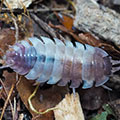
Pink Phantom
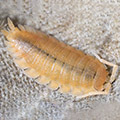
Yellow Snow
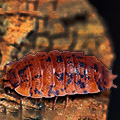
Red Calico
Morph Mix
We provide reliable shipping across the EU, including popular destinations like Germany, France, and Italy. See our full list of delivery locations here.


 Exuvium Isopods