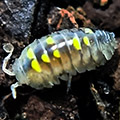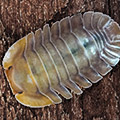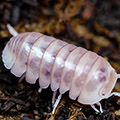
Healthy, established colonies from a breeder in the Netherlands.
Quantity:
€11,00
€50,00
€90,00
Interested?
Listed for sale are mixed size CB isopods; young or subadults, not mancae.
Helleria brevicornis, isopod information > care > photos > video
Origin: Southern France
Scientific name: Helleria brevicornis
Synonyms (unaccepted): Syngastron dasypus, Syntomagaster dasypus, Syspastus brevicornis, Syspastus sardous
Family: Tylidae
Common name: Heller’s Isopod; Giant Cannonball Isopod.
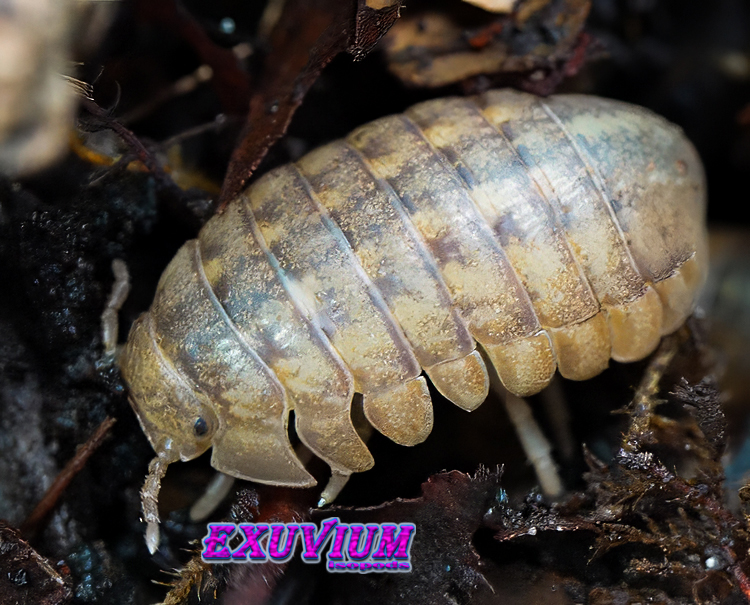
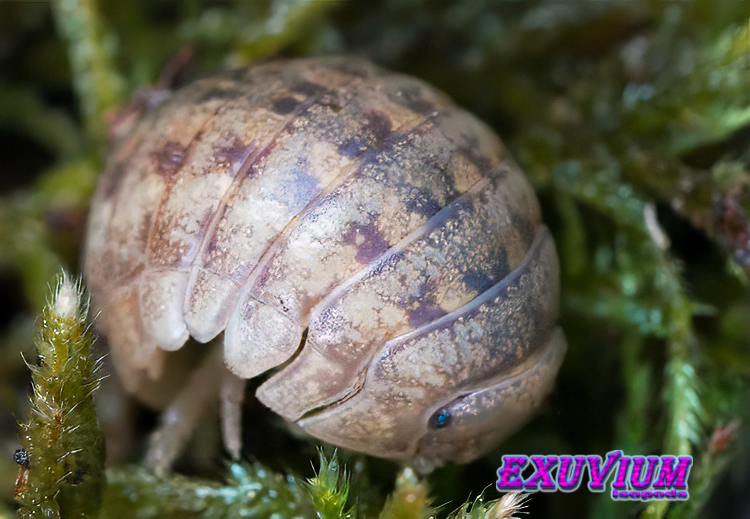
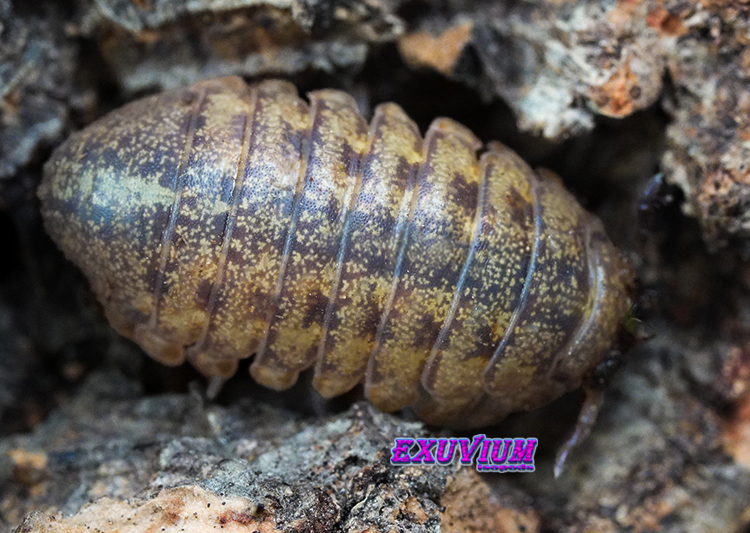
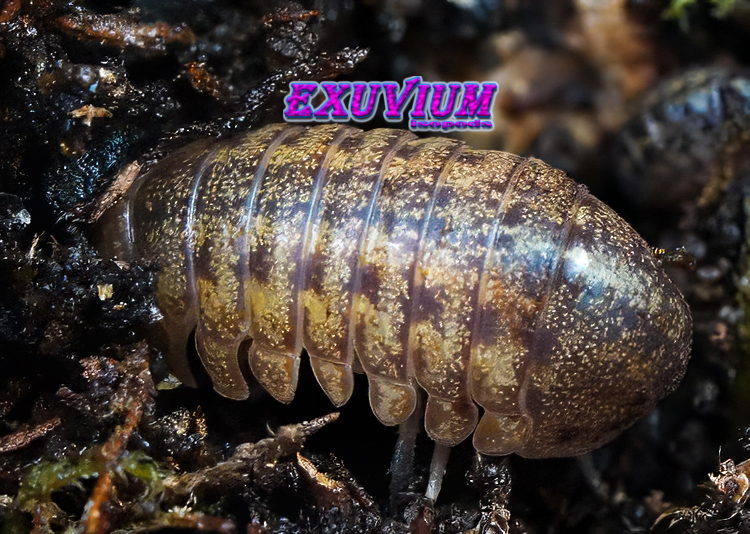
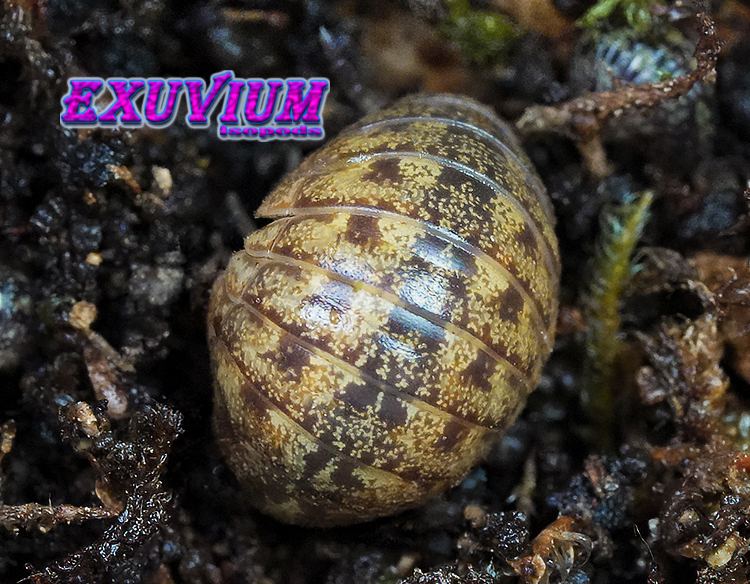
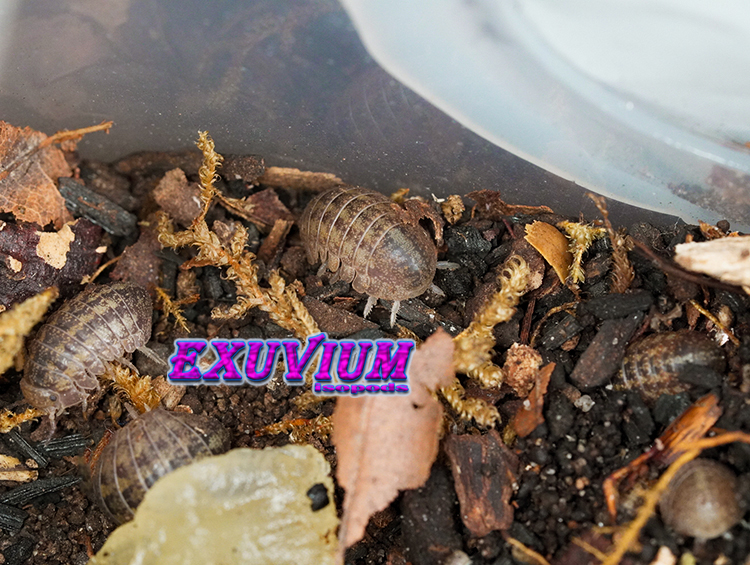
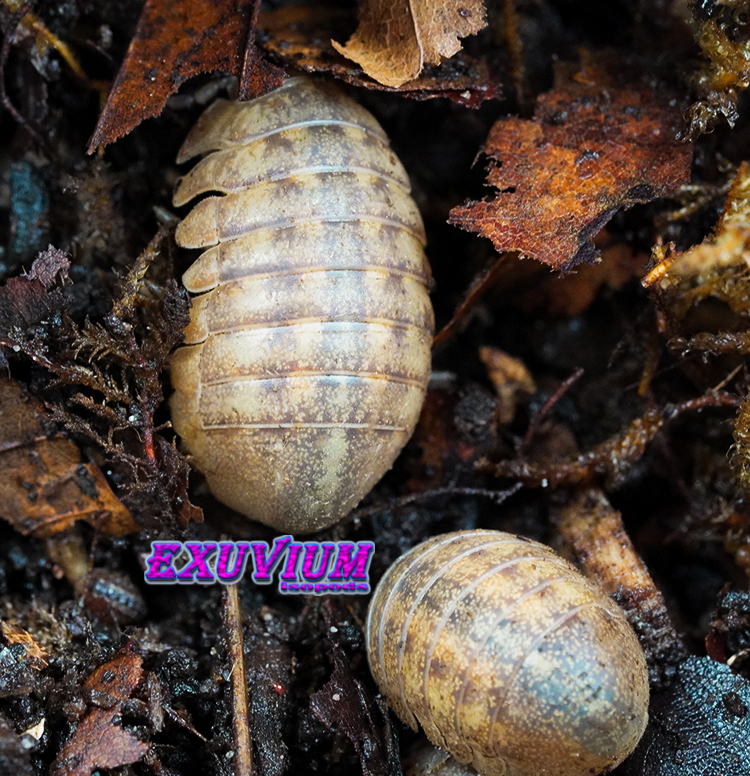
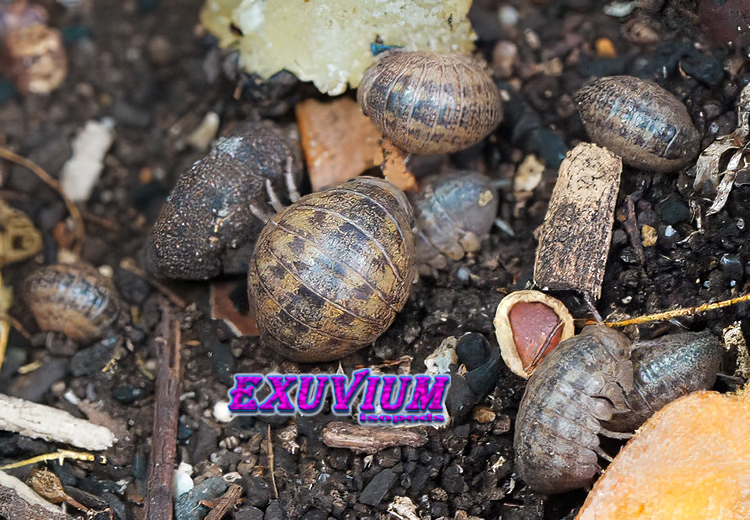
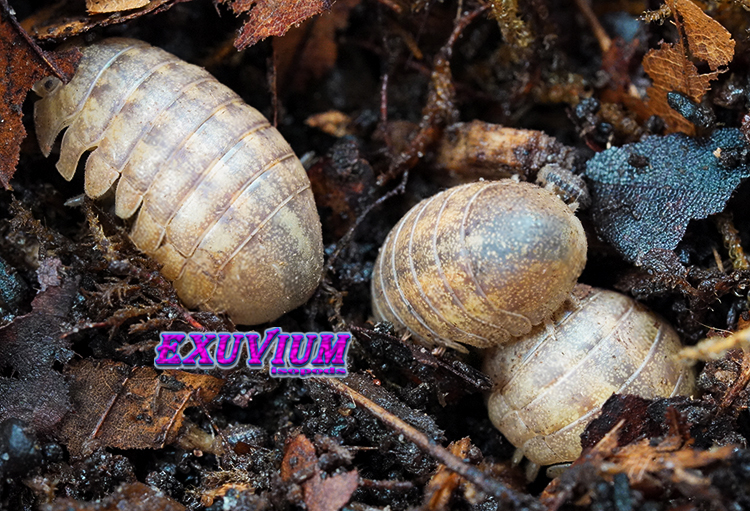
Helleria brevicornis, often known to enthusiasts as the Giant Cannonball Isopod, is a genuinely remarkable, premium addition to the invertebrate hobby that stands completely alone as the sole species within its genus. Native to the forested regions and Mediterranean islands of Corsica and Sardinia, and small populations in Southern France, this prehistoric-looking giant is scientifically famous for occupying a basal position in the isopod family tree, making it the closest living terrestrial relative to deep-sea giant isopods. Growing up to a massive 27 to 30 millimeters in length with a robust, marbled yellow-brown body, it easily claims the title of the largest land isopod in the world capable of completely “conglobating”—rolling into a perfectly tight, stone-like defensive sphere where its short antennae tuck flawlessly away. Unlike standard surface-dwelling pillbugs, Helleria brevicornis is a highly fossorial, social species that lives in fascinating family groups and spends over 90% of its time underground, functioning much like a millipede or beetle larva. Because they are dedicated burrowers that actively excavate tunnels up to 10 centimeters deep to regulate their own moisture, they require a specialized habitat featuring a very deep, well-aerated substrate column of at least 12 to 15 centimeters, packed with rich forest humus, decayed white rotten wood, and a constant supply of calcium like crushed limestone or cuttlebone mixed throughout. Keeping a colony healthy means mimicking their native woodland floor by maintaining a steady room temperature between 18°C and 26°C, providing excellent enclosure ventilation to prevent stagnant conditions, and keeping the deep soil consistently, barely damp rather than wet. While they are a slow-growing, seasonal breeding species that requires patience and is best suited for experienced keepers, the sheer evolutionary significance of managing this isolated lineage—combined with the spectacular, rewarding moments when these gentle giants finally surface at night to forage on a top layer of hardwood leaf litter—makes them one of the most prestigious and captivating invertebrates you can choose to culture.
Helleria brevicornis, isopod care
Size: adults may reach a length of 27 – 30 mm.
Activity: strictly night active; highly fossorial (burrowing).
Terrarium: requires a deep substrate (at least 12 – 15 cm) packed with rich forest humus, pieces of rotting white wood, and decaying leaves. Keep the lower layers consistently, barely damp rather than wet, and provide excellent ventilation to prevent stagnant air. Check out also our ultra premium substrate and premium substrate.
Temperature: 18 – 26°C
Humidity: 60 – 80%; prefer deep, damp soil with a drier surface layer.
Diet: rotting white wood, decaying leaves, forest moss, and lichen. They will also accept occasional supplemental fruits, veggies, greens, and small amounts of protein. Be sure to check out our Cubaris protein boost (which is for all isopods). Also don’t forget a heavy calcium source like: (cuttlefish bone, calcium triple boost, limestone & oyster seashell, limestone rock) to keep them healthy.
Difficulty: advanced / experienced.
Reproduction rate: slow / seasonal.
Growth rate: slow.
We provide reliable shipping across the EU, including popular destinations like Germany, France, and Italy. See our full list of delivery locations here.