
Here you can find all of the isopods that are suitable for beginners, and also their prolificacy rate. It includes isopods we currently have in our collection and isopod species we have worked with. That is Armadillidium isopods, Cubaris isopods, Porcellio isopods and all other Various isopod species. For localities, color varieties and color morphs, the same level of ease applies, if not mentioned otherwise. Sharing is caring! Welcome. Check out also the Cubaris isopods for beginners and Porcellio isopods for beginners.
updated: 1 January 2026 | Read time: 11 minutes.
⭐ Check out what’s NEW ⭐ What’s on SALE? ⭐

Armadillidium apfelbecki ‘Orange’. Armadillidium apfelbecki ‘Orange’ are easy to care for isopods, and easy to breed with a fair prolificacy rate. As with most isopods, they might take a couple of weeks before you can see offspring, and a couple of weeks more if the isopods were juveniles.

Armadillidium arcangelii. Armadillidium arcangelii are easy to care for isopods, and easy to breed with a moderate prolificacy rate. There’s also a locality: Armadillidium arcangelii ‘Terni’ named after the city Terni in the southern portion of the region of Umbria, in Central Italy.

Armadillidium badium. Armadillidium badium are easy to care for isopods, and easy to breed with a high prolificacy rate. We have worked with the common (dark brown) Armadillidium badium, the yellow calico variety: Armadillidium badium ‘Yellow Calico’ which are all localities from Casteldaccia, Sicily in Italy. Except the yellow calico, we also offer the Armadillidium badium yellow mix, the Armadillidium badium ‘High Yellow’, and a new morph we have developed: Armadillidium badium ‘Buttercup Pied’.
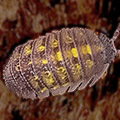
Armadillidium beieri. Armadillidium beieri are easy to care for isopods, and easy to breed with a high prolificacy rate. As with most isopods, they might take a couple of weeks before you can see offspring, and a couple of weeks more if the isopods were juveniles.
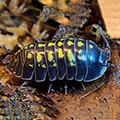
Armadillidium cf. apuanum. Armadillidium cf. apuanum are easy to care for isopods, and easy to breed with a high prolificacy rate. As with most isopods, they might take a couple of weeks before you can see offspring, and a couple of weeks more if the isopods were juveniles.
Armadillidium centinjense. Armadillidium centinjense are easy to care for isopods, and easy to breed with a high prolificacy rate. As with most isopods, they might take a couple of weeks before you can see offspring, and a couple of weeks more if the isopods were juveniles.
Armadillidium corcyraeum. Armadillidium corcyraeum are easy to care for isopods, and easy to breed with a high prolificacy rate. As with most isopods, they might take a couple of weeks before you can see offspring, and a couple of weeks more if the isopods were juveniles. There’s also the Armadillidium corcyraeum ‘Silver’.

Armadillidium depressum ‘Magic Potion’. Armadillidium depressum ‘Magic Potion’ are easy to care for isopods, and easy to breed with a high prolificacy rate. As with most isopods, they might take a couple of weeks before you can see offspring, and a couple of weeks more if the isopods were juveniles.

Armadillidium espanyoli ‘Marbleized’. Armadillidium espanyoli ‘Marbleized’ are easy to care for isopods, and easy to breed with a high prolificacy rate. As with most isopods, they might take a couple of weeks before you can see offspring, and a couple of weeks more if the isopods were juveniles.
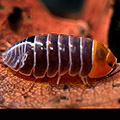
Armadillidium flavoscutatum ‘Red Head’. Armadillidium flavoscutatum ‘Redhead’ are easy to care for isopods, and easy to breed with a high prolificacy rate. As with most isopods, they might take a couple of weeks before you can see offspring, and a couple of weeks more if the isopods were juveniles. We are now developing two new morphs: dalmatian and ghost.

Armadillidium frontetriangulum ‘Orange’. Armadillidium frontetriangulum ‘Orange’ are easy to care for isopods, and easy to breed with a fair prolificacy rate. As with most isopods, they might take a couple of weeks before you can see offspring, and a couple of weeks more if the isopods were juveniles.
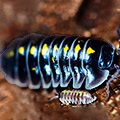
Armadillidium germanicum. Armadillidium germanicum are easy to care for isopods, and easy to breed with a moderate prolificacy rate. As with most isopods, they might take a couple of weeks before you can see offspring, and a couple of weeks more if the isopods were juveniles.
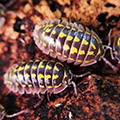
Armadillidium gestroi. Armadillidium gestroi are easy to care for isopods, and easy to breed with a high prolificacy rate. As with most isopods, they might take a couple of weeks before you can see offspring, and a couple of weeks more if the isopods were juveniles. There’s also the Armadillidium gestroi ‘Giant’.
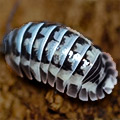
Armadillidium gestroi ‘Milky Way’. Armadillidium gestroi ‘Milky Way’ are easy to care for isopods, and easy to breed with a high prolificacy rate. As with most isopods, they might take a couple of weeks before you can see offspring, and a couple of weeks more if the isopods were juveniles. These are giants like the Armadillidium gestroi ‘Giant’.
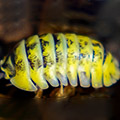
Armadillidium gestroi ‘Milky Way Yellow’. Armadillidium gestroi ‘Milky Way Yellow’ are easy to care for isopods, and easy to breed with a high prolificacy rate. As with most isopods, they might take a couple of weeks before you can see offspring, and a couple of weeks more if the isopods were juveniles. These are giants like the Armadillidium gestroi ‘Giant’.

Armadillidium granulatum. Armadillidium granulatum are easy to care for isopods, and easy to breed with a high prolificacy rate. As with most isopods, they might take a couple of weeks before you can see offspring, and a couple of weeks more if the isopods were juveniles. We offer the following varieties and color morphs: Armadillidium granulatum ‘Lemon’, Armadillidium granulatum ‘Magic Potion’, Armadillidium granulatum ‘Naranjito’, Armadillidium granulatum ‘Soft Orange’, Armadillidium granulatum ‘White Pearl’, and a new morph we have developed: Armadillidium granulatum ‘Creamsicle’.

Armadillidium grimmi. Armadillidium grimmi are easy to care for isopods, and easy to breed with a moderate prolificacy rate. As with most isopods, they might take a couple of weeks before you can see offspring, and a couple of weeks more if the isopods were juveniles.
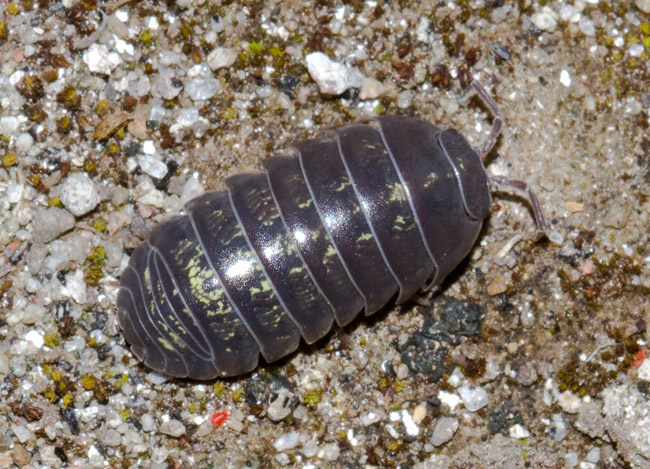
Armadillidium insulanum. Armadillidium insulanum are easy to care for isopods, and easy to breed with a moderate prolificacy rate. As with most isopods, they might take a couple of weeks before you can see offspring, and a couple of weeks more if the isopods were juveniles.
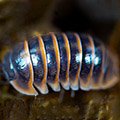
Armadillidium jerrentrupi. Armadillidium jerrentrupi are easy to care for isopods, and easy to breed with a moderate prolificacy rate. As with most isopods, they might take a couple of weeks before you can see offspring, and a couple of weeks more if the isopods were juveniles. Watch the video on YouTube.
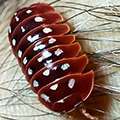
Armadillidium klugii. Armadillidium klugii are easy to care for isopods, and easy to breed with a high prolificacy rate. As with most isopods, they might take a couple of weeks before you can see offspring, and a couple of weeks more if the isopods were juveniles. We offer the following varieties and color morphs: Armadillidium klugii ‘Black’, Armadillidium klugii ‘Dubrovnik’, Armadillidium klugii ‘Montenegro’, Armadillidium klugii ‘Split’.

Armadillidium maculatum. Armadillidium maculatum are easy to care for isopods, and easy to breed with a moderate prolificacy rate. As with most isopods, they might take a couple of weeks before you can see offspring, and a couple of weeks more if the isopods were juveniles. Except the wild type: Armadillidium maculatum, we also offer the following varieties and color morphs: Armadillidium maculatum ‘Champagne’, Armadillidium maculatum ‘Chocolate’, Armadillidium maculatum ‘Chocolate Yellow’ (shown in the photo above). Armadillidium maculatum ‘Yellow’.
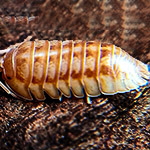
Armadillidium nasatum. Armadillidium nasatum are easy to care for isopods, and easy to breed with a fair prolificacy rate. As with most isopods, they might take a couple of weeks before you can see offspring, and a couple of weeks more if the isopods were juveniles. We offer the following varieties and color morphs: Armadillidium nasatum ‘Dalmatian’, Armadillidium nasatum ‘Peach’ (shown in the photo above). Armadillidium nasatum ‘White’.

Armadillidium pallasii ‘Orange’. Armadillidium pallasii ‘Orange’ (from Corfu, Greece) are easy to care for isopods, and easy to breed with a high prolificacy rate. As with most isopods, they might take a couple of weeks before you can see offspring, and a couple of weeks more if the isopods were juveniles. You must pay attention as these isopods have a higher mortality rate and also they don’t travel well.

Armadillidium peraccae. Armadillidium peraccae are easy to care for isopods, and easy to breed with a high prolificacy rate. As with most isopods, they might take a couple of weeks before you can see offspring, and a couple of weeks more if the isopods were juveniles.

Armadillidium ruffoi ‘Orange Skirt’. Armadillidium ruffoi ‘Orange Skirt’ are easy to care for isopods, and easy to breed with a moderate prolificacy rate. As with most isopods, they might take a couple of weeks before you can see offspring, and a couple of weeks more if the isopods were juveniles.

Armadillidium saxivagum. Armadillidium saxivagum are easy to care for isopods, and easy to breed with a moderate prolificacy rate. As with most isopods, they might take a couple of weeks before you can see offspring, and a couple of weeks more if the isopods were juveniles.
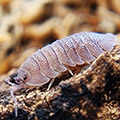
Armadillidium scaberrimum. Armadillidium scaberrimum are easy to care for isopods, and easy to breed with a high prolificacy rate. As with most isopods, they might take a couple of weeks before you can see offspring, and a couple of weeks more if the isopods were juveniles.

Armadillidium simoni ‘Villeneuve-Loubet’. Armadillidium simoni ‘Villeneuve-Loubet’ are easy to care for isopods, and easy to breed with a high prolificacy rate. As with most isopods, they might take a couple of weeks before you can see offspring, and a couple of weeks more if the isopods were juveniles.
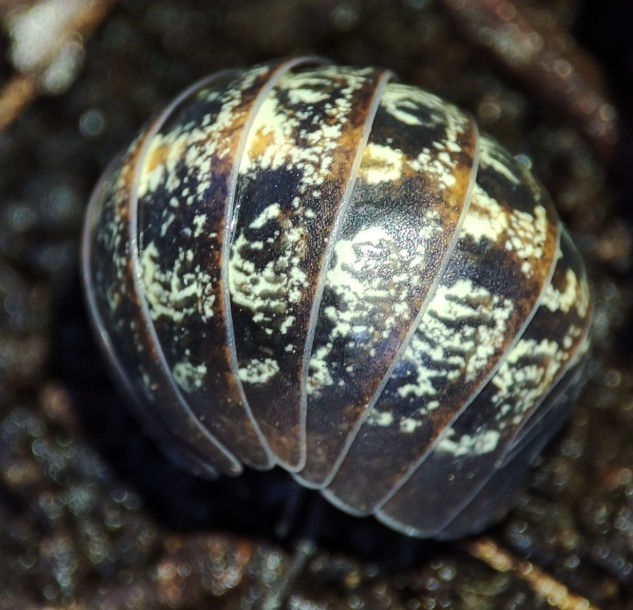
Armadillidium sordidum. Armadillidium sordidum are easy to care for isopods, and easy to breed with a high prolificacy rate. As with most isopods, they might take a couple of weeks before you can see offspring, and a couple of weeks more if the isopods were juveniles.

Armadillidium sp. Lefkada. Armadillidium sp. Lefkada are easy to care for isopods, and easy to breed with a moderate to high prolificacy rate. As with most isopods, they might take a couple of weeks before you can see offspring, and a couple of weeks more if the isopods were juveniles. The offspring of this species grow much slower, compared to most other Armadillidium species. Pied individuals appeared as well on this undescribed species. Currently in the process of isolation of this pied line.

Armadillidium tunisiense. Armadillidium tunisiense are easy to care for isopods, and easy to breed with a moderate prolificacy rate. As with most isopods, they might take a couple of weeks before you can see offspring, and a couple of weeks more if the isopods were juveniles.

Armadillidium versicolor. Armadillidium versicolor are easy to care for isopods, and easy to breed with a high prolificacy rate. As with most isopods, they might take a couple of weeks before you can see offspring, and a couple of weeks more if the isopods were juveniles. We offer the locality from Slovenia: Armadillidium maculatum ‘Slovenia’.

Armadillidium vulgare. Armadillidium vulgare are easy to care for isopods, and easy to breed with a high prolificacy rate. As with most isopods, they might take a couple of weeks before you can see offspring, and a couple of weeks more if the isopods were juveniles. We offer the following varieties and color morphs: Armadillidium vulgare ‘Gold’, Armadillidium vulgare ‘Magic Potion’, Armadillidium vulgare ‘Mocca’, Armadillidium vulgare ‘Orange Vigor’ (shown in the photo above). We are also developing two new morphs of Armadillidium vulgare!
Armadillidium werneri ‘Orange’. Armadillidium werneri ‘Orange’ are easy to care for isopods, and easy to breed with a moderate prolificacy rate. As with most isopods, they might take a couple of weeks before you can see offspring, and a couple of weeks more if the isopods were juveniles.
Armadillidium xerovunense ‘Red Edge’. Armadillidium xerovunense ‘Red Edge’ are easy to care for isopods, and easy to breed with a moderate prolificacy rate. As with most isopods, they might take a couple of weeks before you can see offspring, and a couple of weeks more if the isopods were juveniles. The offspring of this species grow a bit slower, compared to the rest of isopods in the Armadillidium klugii group.
Check out:
Cubaris isopods for beginners and Porcellio isopods for beginners
Moderately prolific isopods
Armadillidium |  Cubaris |  Merulanella |  Porcellio |  Other isopods |
 Exuvium Isopods