
So, how do you use them in the terrarium? Do you mix them or you place them separate?
Creating the perfect habitat for millipedes is all about the substrate. Unlike many other terrarium pets, millipedes don’t just live on their substrate—they eat it. White rotten wood, flake soil, and decaying leaf litter are the absolute holy trinity of millipede husbandry and breeding.
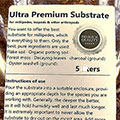
Here is exactly how to use them to create a thriving, healthy enclosure. First of all you put a good amount of substrate. We suggest using our Ultra Premium Substrate cause this is the best for millipedes and exotic/tropical isopods. Make sure this substrate is at least 7 to 8 cm deep. A good rule of thumb is that the substrate should be at least as deep as your longest millipede is long (usually 10 to 15 cm minimum) so the millipedes can burrow and molt safely.
1. Flake Soil: The Gold Standard
Above the substrate you add a thin layer of flake soil. The flake soil is fermented sawdust (usually oak or beech) that has been broken down by fungi and bacteria. It mimics the deep, nutrient-rich soil of a forest floor and as a fermented product with live bacteria in it, it keeps reacting to its environment. Thus, first of all you make sure the flake soil is dry before adding it into the terrarium, otherwise mold will start forming. Make the “squeeze ball” trick to see if there’s any water dripping. Therefore it’s best to let the flake soil aerate first for a couple of days. The next step is to blend the flake soil with our Ultra Premium Substrate.


2. White Rotten Wood: The Cellular Buffet
White rotten wood is wood that has been attacked by white-rot fungi, which break down the tough lignin, leaving behind soft, spongy cellulose that millipedes can easily digest. Our White Rotten Wood comes already in smaller chunks, therefore you don’t have to break it yourself. Then you mix the white rotten wood with the rest of the ingredients (our substrate and flake soil).
ℹ️ Pro-Tip: If you harvest this from nature, make sure it is completely soft enough to crumble in your hands, and freeze or bake it first to eliminate unwanted hitchhikers (like centipedes or spiders). Also please note that you have to break it into smaller pieces, since the larger chunks are mush easier to develop mold.

3. Decaying Leaf Litter: The Multi-Purpose Topper
Leaf litter (ideally hardwood leaves like oak, beech, or maple) is essential for moisture retention, shelter, and daily snacking. You can shred a handful of leaves and mix them throughout the flake soil to create texture and pockets of food underground. Additionally pack a thick layer of leaf litter (3 to 5 cm) across the entire surface of the enclosure. The surface leaves keep the humidity locked into the soil below and give your millipedes a sense of security. They will mostly hang out under this layer during the day.
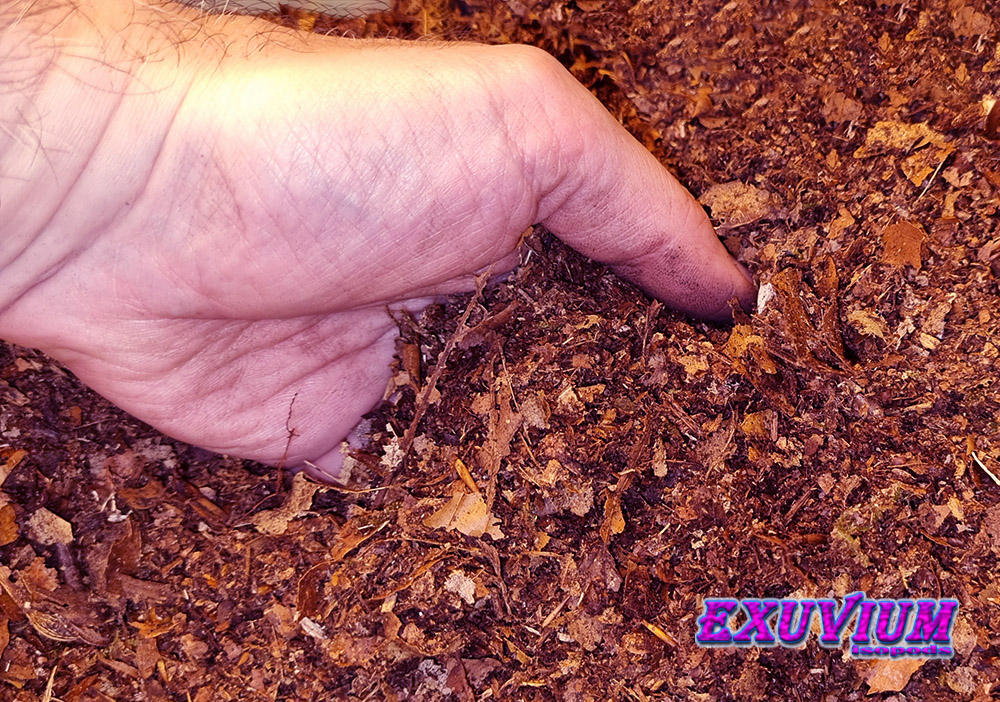
⚠️ Important Reminder: As your millipedes eat their way through the enclosure, the substrate level will drop and turn into fine, pellet-like frass (poop). Every few months, you will need to gently scoop out the top layer of frass and pack in fresh flake soil, wood, and leaves!
Check out:

We provide fast, reliable shipping across the EU, including popular destinations like Germany, France, and Italy. See our full list of delivery locations here. Food and equipment are shipped worldwide.
 Exuvium Isopods
Leave a comment