
Lees de pagina in het Nederlands 🇳🇱
A complete guide regarding the food that isopods like to eat, what they prefer to eat and what they avoid eating. Not all isopods prefer the same food, yet, some food items can be eaten by all isopods. Useful tips for novice breeders of isopods. So what do you feed your isopods?
updated: 7 December 2025
Read time: 19 minutes
Introduction > What do all isopods eat? > Food for Armadillidium isopods > Food for Cubaris isopods > Food for Ardentiella isopods > Food for Porcellio isopods > Chart of all isopod food > FAQ
Introduction on isopod diet
Isopods eat a wide variety of food, but not all isopods prefer the same type of food. Isopods are detritivores. Detritivores are animals whose diet is primarily composed of detritus such as decaying organic matter from either plants or animals. Detritivores are extremely important components within ecosystems since they help break down dead animals and plants and return the nutrients held within them back to the ecosystem. Detritivores are sometimes known as saprophages. Woodlice are terrestrial crustaceans and are well-known detritivores. Besides that, isopods will benefit from a wide range of both organic and inorganic matter.
Introduction > What do all isopods eat? > Food for Armadillidium isopods > Food for Cubaris isopods > Food for Ardentiella isopods > Food for Porcellio isopods > Chart of all isopod food > FAQ
What do all isopods eat?
Rotting white wood, decaying leaves, calcium, forest moss and lichen is something that all isopods eat. Rotting white wood, decaying leaves and calcium are the basic, staple food, and it is important for all isopods to have those types of food at any given moment available. Lichen is not absolutely important for all isopods, but some isopod species will die if they don’t have access to lichen. To make it even more easier, you will find a super useful chart below with the type of food and which isopod species eat that. Decaying leaves that isopods do prefer include: beech, birch, black cherry, black walnut, elm, hazelnut, magnolia, maple, oak etc.
Introduction > What do all isopods eat? > Food for Armadillidium isopods > Food for Cubaris isopods > Food for Ardentiella isopods > Food for Porcellio isopods > Chart of all isopod food > FAQ
Food for Armadillidium isopods
Armadillidium isopods can eat a wide range of food, both organic and inorganic. Besides their staple diet: rotting white wood, calcium and decaying leaf litter, they will also benefit from lichen, if you can find it in your area. Two to three times per week they also require some form of protein. That may be protein from seafood (such as fish-flakes, gammarus shrimp etc). Protein source from other insects (such as red mosquito larvae, black soldier fly larvae etc.). And even protein sources from small animals, such as young mice – that is frozen/thawed mice – what reptile keepers feed to their reptiles. It is important that every protein food given to them in moderation, and only what can be eaten in 24 hours. Otherwise it might attract mites, ants, and other unwanted pests. Their hydration comes from vegetables, fruits, insect jelly, or dried vegetables and fruits. Vegetables you may offer to your Armadillidium isopods include: carrot, cucumber, zucchini, courgette, pumpkin, squash, gourd, sweet potato etc. Fruits you may offer to your Armadillidium isopods include: banana, mango, pineapple (ananas) and similar soft and sweet fruits. Fresh vegetables and fruits may mold even within one day! Making it really difficult to control the developed mold inside the isopodarium, if you have many isopod colonies. But there is a great alternative: dried fruit and dried carrot sticks. Personally speaking, I change their dried fruit bites after one week to ten days! Extremely handy for my large isopod collection. Armadillidium isopods will also eat fresh leaves from certain trees, and flowers – fresh or dried. Yet, not all Armadillidium isopods like fresh leaves and flowers. Some types of superfood are also a great choice for them, such as spirulina. Inorganic food consists of rocks, minerals and metals. All Armadillidium isopods need to have access at all times to at least one form of calcium, often it is best if you provide a plethora of calcium sources, like bone pieces (after devouring a pinky mouse for example), cuttlefish bone (sepia), oyster seashell, limestone, crushed eggshells, calcium carbonate, etc. Armadillidium isopods will also benefit from pieces of charcoal. Charcoal contains carbon, tar and ash and it seems that isopods are also benefiting from that type of (burned) wood. There are also papers, showing isopods, millipedes, cockroaches and other invertebrates, eating the excrement of bats (called bat guano).
Introduction > What do all isopods eat? > Food for Armadillidium isopods > Food for Cubaris isopods > Food for Ardentiella isopods > Food for Porcellio isopods > Chart of all isopod food > FAQ
Food for Cubaris isopods
Cubaris isopods can eat a wide range of food, both organic and inorganic. Besides their staple diet: rotting white wood, calcium and decaying leaf litter, they will also benefit from lichen , if you can find it in your area. Two to three times per week they also require some form of protein. That may be protein from seafood (such as fish-flakes, gammarus shrimp etc). Protein source from other insects (such as red mosquito larvae, black soldier fly larvae etc.). And even protein sources from small animals, such as young mice – that is frozen/thawed mice – what reptile keepers feed to their reptiles. It is important that every protein food given to them in moderation, and only what can be eaten in 24 hours. Otherwise it might attract mites, ants, and other unwanted pests. Their hydration comes from vegetables, fruits, insect jelly, or dried vegetables and fruits. Vegetables you may offer to your Cubaris isopods include: carrot, cucumber, zucchini, courgette, pumpkin, squash, gourd, sweet potato etc. Fruits you may offer to your Cubaris isopods include: banana, mango, pineapple (ananas) and similar soft and sweet fruits. Fresh vegetables and fruits may mold even within one day! Making it really difficult to control the developed mold inside the isopodarium, if you have many isopod colonies. But there is a great alternative: dried fruit and dried carrot sticks. Personally speaking, I change their dried fruit bites after one week to ten days! Extremely handy for my large isopod collection. Cubaris isopods will also eat fresh leaves from certain trees, and flowers – fresh or dried. Yet, not all Cubaris isopods like fresh leaves and flowers. Some types of superfood are also a great choice for them, such as spirulina. Inorganic food consists of rocks, minerals and metals. All Cubaris isopods need to have access at all times to at least one form of calcium, often it is best if you provide a plethora of calcium sources, like bone pieces (after devouring a pinky mouse for example), cuttlefish bone (sepia), oyster seashell, limestone, crushed eggshells, calcium carbonate, etc. Specifically limestone is of high importance to all Cubaris isopods. Cubaris isopods will also benefit from pieces of charcoal. Charcoal contains carbon, tar and ash and it seems that isopods are also benefiting from that type of (burned) wood. There are also papers, showing isopods, millipedes, cockroaches and other invertebrates, eating the excrement of bats (called bat guano).

Introduction > What do all isopods eat? > Food for Armadillidium isopods > Food for Cubaris isopods > Food for Ardentiella isopods > Food for Porcellio isopods > Chart of all isopod food > FAQ
Food for Ardentiella isopods
Ardentiella isopods require only specific types of food, and they will refuse eating anything else. Besides their staple diet: rotting white wood, calcium and decaying leaf litter, they require lichen, forest moss and gammarus shrimp for protein. Lichen especially, is important to them, otherwise they might die. It is important the gammarus shrimp to be offered in moderation, and only what can be eaten in 24 hours. Otherwise it might attract mites, ants, and other unwanted pests. Their hydration comes from vegetables, fruits, insect jelly, or dried vegetables and fruits. Vegetables you may offer to your Ardentiella isopods include: carrot, cucumber, zucchini, courgette, pumpkin, squash, gourd, sweet potato etc. Fruits you may offer to your Ardentiella isopods include: banana, mango, pineapple (ananas) and similar soft and sweet fruits. Fresh vegetables and fruits may mold even within one day! Making it really difficult to control the developed mold inside the isopodarium, if you have many isopod colonies. But there is a great alternative: dried fruit and dried carrot sticks. Personally speaking, I change their dried fruit bites after one week to ten days! Extremely handy for my large isopod collection. Ardetiella isopods will also eat some fresh leaves from certain trees, and flowers – fresh or dried. All Ardentiella isopods need to have access at all times to at least one form of calcium, often it is best if you provide a plethora of calcium sources, like bone pieces (after devouring a pinky mouse for example), cuttlefish bone (sepia), oyster seashell, limestone, crushed eggshells, calcium carbonate, etc. Specifically limestone, is of high importance to all Ardentiella isopods. Ardentiella isopods will also benefit from pieces of charcoal. Charcoal contains carbon, tar and ash and it seems that isopods are also benefiting from that type of (burned) wood. For other tropical, exotic isopod species (example: Laureola spp., Troglodillo spp., Spherillo spp., etc, you can’t go wrong by giving them what also Ardentiella isopods prefer to eat. And form there you try other isopod foods to see if they eat them.
Introduction > What do all isopods eat? > Food for Armadillidium isopods > Food for Cubaris isopods > Food for Ardentiella isopods > Food for Porcellio isopods > Chart of all isopod food > FAQ
Food for Porcellio isopods
Porcellio isopods can eat a wide range of food, both organic and inorganic. Besides their staple diet: rotting white wood, calcium and decaying leaf litter, they will also eat lichen, although it’s not absolutely important for them. Two to three times per week they also require some form of protein. That may be protein from seafood (such as fish-flakes, gammarus shrimp etc). Protein source from other insects (such as red mosquito larvae, black soldier fly larvae etc.). And even protein sources from small animals, such as young mice – that is frozen/thawed mice – what reptile keepers feed to their reptiles. Porcellio isopods with high metabolism, such as Porcellio laevis, and Porcellionides pruinosus isopods, may devour a young frozen/thawed mouse in a matter of a few hours! It is important that every protein food given to them in moderation, and only what can be eaten in 24 hours. Otherwise it might attract mites, ants, and other unwanted pests. Their hydration comes from vegetables, fruits, insect jelly, or dried vegetables and fruits. Vegetables you may offer to your Porcellio isopods include: carrot, cucumber, zucchini, courgette, pumpkin, squash, gourd, sweet potato etc. Fruits you may offer to your Porcellio isopods include: banana, mango, pineapple (ananas) and similar soft and sweet fruits. Fresh vegetables and fruits may mold even within one day! Making it really difficult to control the developed mold inside the isopodarium, if you have many isopod colonies. But there is a great alternative: dried fruit and dried carrot sticks. Personally speaking, I change their dried fruit bites after one week to ten days! Extremely handy for my large isopod collection. Porcellio isopods will also eat fresh leaves from certain trees, and flowers – fresh or dried. Yet, not all Porcellio isopods like fresh leaves and flowers. Some types of superfood are also a great choice for them, such as spirulina. Inorganic food consists of rocks, minerals and metals. All Porcellio isopods need to have access at all times to at least one form of calcium, often it is best if you provide a plethora of calcium sources, like bone pieces (after devouring a pinky mouse for example), cuttlefish bone (sepia), oyster seashell, limestone, crushed eggshells, calcium carbonate, etc. Porcellio isopods will also benefit from pieces of charcoal. Charcoal contains carbon, tar and ash and it seems that isopods are also benefiting from that type of (burned) wood. There are also papers, showing isopods, millipedes, cockroaches and other invertebrates, eating the excrement of bats (called bat guano).
Introduction > What do all isopods eat? > Food for Armadillidium isopods > Food for Cubaris isopods > Food for Ardentiella isopods > Food for Porcellio isopods > Chart of all isopod food > FAQ
Chart of all isopod foods
Below is a chart of all isopod foods to make it easier to remember what food is preferred by certain isopod species, and what is avoided. Easy readable with symbols
Symbols meaning: ✔️ means they eat that food. ✅ means it is a necessary food item to them. ❌ means they don’t eat that food. ❓ means it is not yet known if they eat that food. When there are two symbols, for example: Other isopod spp.: ✔️❌ it means that some isopod species eat that food, but other species don’t. The list of food items is in alphabetical order. The list does not include food items of their main, staple diet, such as calcium, decaying leaf litter and rotting white wood.
| apple | Armadillidium spp: ✔️ Cubaris spp: ✔️ Ardentiella spp.: ✔️ Porcellio spp.: ✔️ Porcellionides spp.: ✔️ Other isopod spp.: ✔️ |
| artemia shrimp | Armadillidium spp: ✔️ Cubaris spp: ✔️ Ardentiella spp.: ❓ Porcellio spp.: ✔️ Porcellionides spp.: ✔️ Other isopod spp.: ✔️❓ |
| banana | Armadillidium spp: ✔️ Cubaris spp: ✔️ Ardentiella spp.: ✔️ Porcellio spp.: ✔️ Porcellionides spp.: ✔️ Other isopod spp.: ✔️ |
| bee pollen | Armadillidium spp: ✔️❓ Cubaris spp: ✔️❓ Ardentiella spp.: ❌ Porcellio spp.: ✔️❓ Porcellionides spp.: ✔️❓ Other isopod spp.: ✔️❓ |
| black soldier fly larvae | Armadillidium spp: ✔️ Cubaris spp: ✔️ Ardentiella spp.: ❓ Porcellio spp.: ✔️ Porcellionides spp.: ✔️ Other isopod spp.: ✔️ |
| bone piece | Armadillidium spp: ✔️ Cubaris spp: ✔️ Ardentiella spp.: ✔️ Porcellio spp.: ✔️ Porcellionides spp.: ✔️ Other isopod spp.: ✔️ |
| carrot | Armadillidium spp: ✔️ Cubaris spp: ✔️ Ardentiella spp.: ✔️ Porcellio spp.: ✔️ Porcellionides spp.: ✔️ Other isopod spp.: ✔️ |
| cellulose powder | Armadillidium spp: ✔️ Cubaris spp: ✔️ Ardentiella spp.: ❓ Porcellio spp.: ✔️ Porcellionides spp.: ✔️ Other isopod spp.: ✔️❓ |
| charcoal (natural, not blocks) | Armadillidium spp: ✔️ Cubaris spp: ✔️ Ardentiella spp.: ✔️ Porcellio spp.: ✔️ Porcellionides spp.: ✔️ Other isopod spp.: ✔️ |
| clay (blue) | Armadillidium spp: ✔️ Cubaris spp: ✔️ Ardentiella spp.: ✔️ Porcellio spp.: ✔️ Porcellionides spp.: ✔️ Other isopod spp.: ✔️ |
| clay (yellow) | Armadillidium spp: ✔️ Cubaris spp: ✔️ Ardentiella spp.: ✔️ Porcellio spp.: ✔️ Porcellionides spp.: ✔️ Other isopod spp.: ✔️ |
| courgette | Armadillidium spp: ✔️ Cubaris spp: ✔️ Ardentiella spp.: ✔️ Porcellio spp.: ✔️ Porcellionides spp.: ✔️ Other isopod spp.: ✔️ |
| crocus flowers | Armadillidium spp: ✔️ Cubaris spp: ✔️ Ardentiella spp.: ❓ Porcellio spp.: ✔️ Porcellionides spp.: ✔️ Other isopod spp.: ✔️❓ |
| cucumber | Armadillidium spp: ✔️ Cubaris spp: ✔️ Ardentiella spp.: ✔️ Porcellio spp.: ✔️ Porcellionides spp.: ✔️ Other isopod spp.: ✔️ |
| daisy-like flowers | Armadillidium spp: ✔️ Cubaris spp: ✔️ Ardentiella spp.: ❓ Porcellio spp.: ✔️ Porcellionides spp.: ✔️ Other isopod spp.: ✔️❓ |
| daphnia | Armadillidium spp: ✔️ Cubaris spp: ✔️ Ardentiella spp.: ❓ Porcellio spp.: ✔️ Porcellionides spp.: ✔️ Other isopod spp.: ✔️❓ |
| dried carrots | Armadillidium spp: ✔️ Cubaris spp: ✔️ Ardentiella spp.: ✔️ Porcellio spp.: ✔️ Porcellionides spp.: ✔️ Other isopod spp.: ✔️ |
| dried fruit | Armadillidium spp: ✔️ Cubaris spp: ✔️ Ardentiella spp.: ✔️ Porcellio spp.: ✔️ Porcellionides spp.: ✔️ Other isopod spp.: ✔️ |
| earthworms | Armadillidium spp: ✔️ Cubaris spp: ✔️ Ardentiella spp.: ❓ Porcellio spp.: ✔️ Porcellionides spp.: ✔️ Other isopod spp.: ✔️❓ |
| egg yolk (dried ground) | Armadillidium spp: ✔️ Cubaris spp: ✔️ Ardentiella spp.: ❓ Porcellio spp.: ✔️ Porcellionides spp.: ✔️ Other isopod spp.: ✔️❓ |
| elm bark | Armadillidium spp: ✔️ Cubaris spp: ✔️ Ardentiella spp.: ❓ Porcellio spp.: ✔️ Porcellionides spp.: ✔️ Other isopod spp.: ✔️❓ |
| fish flakes | Armadillidium spp: ✔️ Cubaris spp: ✔️ Ardentiella spp.: ❌ Porcellio spp.: ✔️ Porcellionides spp.: ✔️ Other isopod spp.: ✔️❓ |
| fish meal | Armadillidium spp: ✔️ Cubaris spp: ✔️ Ardentiella spp.: ❓ Porcellio spp.: ✔️ Porcellionides spp.: ✔️ Other isopod spp.: ✔️❓ |
| forest moss | Armadillidium spp: ✔️ Cubaris spp: ✔️ Ardentiella spp.: ✔️ Porcellio spp.: ✔️ Porcellionides spp.: ✔️ Other isopod spp.: ✔️ |
| fruit jelly, insect jelly | Armadillidium spp: ✔️ Cubaris spp: ✔️ Ardentiella spp.: ✔️ Porcellio spp.: ✔️ Porcellionides spp.: ✔️ Other isopod spp.: ✔️ |
| gammarus shrimp | Armadillidium spp: ✔️ Cubaris spp: ✔️ Ardentiella spp.: ✔️ Porcellio spp.: ✔️ Porcellionides spp.: ✔️ Other isopod spp.: ✔️ |
| gourd, pumpkin, squash | Armadillidium spp: ✔️ Cubaris spp: ✔️ Ardentiella spp.: ✔️ Porcellio spp.: ✔️ Porcellionides spp.: ✔️ Other isopod spp.: ✔️ |
| grapes | Armadillidium spp: ✔️ Cubaris spp: ✔️ Ardentiella spp.: ✔️ Porcellio spp.: ✔️ Porcellionides spp.: ✔️ Other isopod spp.: ✔️ |
| greens (broccoli, cale, collard greens, kale, lettuce, spinach etc.) | Armadillidium spp: ✔️ Cubaris spp: ✔️ Ardentiella spp.: ❓ Porcellio spp.: ✔️ Porcellionides spp.: ✔️ Other isopod spp.: ✔️❓ |
| hibiscus flower (fresh, dried ground) | Armadillidium spp: ✔️ Cubaris spp: ✔️ Ardentiella spp.: ❓ Porcellio spp.: ✔️ Porcellionides spp.: ✔️ Other isopod spp.: ✔️❓ |
| kelp seaweed | Armadillidium spp: ✔️ Cubaris spp: ✔️ Ardentiella spp.: ❌ Porcellio spp.: ✔️ Porcellionides spp.: ✔️ Other isopod spp.: ✔️❓ |
| lichen | Armadillidium spp: ✔️ Cubaris spp: ✔️ Ardentiella spp.: ✅ Porcellio spp.: ✔️ Porcellionides spp.: ✔️ Other isopod spp.: ✔️ |
| limestone | Armadillidium spp: ✔️ Cubaris spp: ✔️ Ardentiella spp.: ✔️ Porcellio spp.: ✔️ Porcellionides spp.: ✔️ Other isopod spp.: ✔️ |
| mango | Armadillidium spp: ✔️ Cubaris spp: ✔️ Ardentiella spp.: ✔️ Porcellio spp.: ✔️ Porcellionides spp.: ✔️ Other isopod spp.: ✔️ |
| mice pinky/young (frozen/thawed) | Armadillidium spp: ✔️ Cubaris spp: ✔️ Ardentiella spp.: ❓ Porcellio spp.: ✔️ Porcellionides spp.: ✔️ Other isopod spp.: ✔️❓ |
| minnows fish (whole or dried ground) | Armadillidium spp: ✔️ Cubaris spp: ✔️ Ardentiella spp.: ❌ Porcellio spp.: ✔️ Porcellionides spp.: ✔️ Other isopod spp.: ✔️❓ |
| nutritional yeast | Armadillidium spp: ✔️ Cubaris spp: ✔️ Ardentiella spp.: ❌ Porcellio spp.: ✔️ Porcellionides spp.: ✔️ Other isopod spp.: ✔️ |
| oyster seashell | Armadillidium spp: ✔️ Cubaris spp: ✔️ Ardentiella spp.: ✔️ Porcellio spp.: ✔️ Porcellionides spp.: ✔️ Other isopod spp.: ✔️ |
| peas | Armadillidium spp: ✔️ Cubaris spp: ✔️ Ardentiella spp.: ❓ Porcellio spp.: ✔️ Porcellionides spp.: ✔️ Other isopod spp.: ✔️❓ |
| peppers & paprika (fresh, dried ground) | Armadillidium spp: ✔️ Cubaris spp: ✔️ Ardentiella spp.: ❓ Porcellio spp.: ✔️ Porcellionides spp.: ✔️ Other isopod spp.: ✔️❓ |
| pineapple (ananas) | Armadillidium spp: ✔️ Cubaris spp: ✔️ Ardentiella spp.: ✔️ Porcellio spp.: ✔️ Porcellionides spp.: ✔️ Other isopod spp.: ✔️ |
| red mosquito larvae | Armadillidium spp: ✔️ Cubaris spp: ✔️ Ardentiella spp.: ❓ Porcellio spp.: ✔️ Porcellionides spp.: ✔️ Other isopod spp.: ✔️❓ |
| rice protein concentrate | Armadillidium spp: ✔️ Cubaris spp: ✔️ Ardentiella spp.: ❌ Porcellio spp.: ✔️ Porcellionides spp.: ✔️ Other isopod spp.: ✔️❓ |
| shrimp meal ground | Armadillidium spp: ✔️ Cubaris spp: ✔️ Ardentiella spp.: ❓ Porcellio spp.: ✔️ Porcellionides spp.: ✔️ Other isopod spp.: ✔️ |
| spirulina | Armadillidium spp: ✔️ Cubaris spp: ✔️ Ardentiella spp.: ✔️ Porcellio spp.: ✔️ Porcellionides spp.: ✔️ Other isopod spp.: ✔️ |
| squid meal | Armadillidium spp: ✔️ Cubaris spp: ✔️ Ardentiella spp.: ❓ Porcellio spp.: ✔️ Porcellionides spp.: ✔️ Other isopod spp.: ✔️ |
| tomato | Armadillidium spp: ✔️ Cubaris spp: ✔️ Ardentiella spp.: ❓ Porcellio spp.: ✔️ Porcellionides spp.: ✔️ Other isopod spp.: ❓ |
Introduction > What do all isopods eat? > Food for Armadillidium isopods > Food for Cubaris isopods > Food for Ardentiella isopods > Food for Porcellio isopods > Chart of all isopod food > FAQ
Food for isopods – FAQ
Commercial foods for isopods
Question: I have recently used Repashy foods for my isopods; do you recommend these?
Answer: I don’t recommend any type of food that requires thermal preparation / processing, as that destroys every nutritional value. You won’t see isopods boiling their food prior to eating it; why should you do it? On the top of this page you can find what all isopods eat, and that is their staple diet. Additionally you simply provide some protein two to three times per week. And that is all they need.
Cat food. Should I give to my isopods?
Question: I was wondering if I can give my isopods cat food.
Answer: Isopods do eat dead animals in nature, but that is not happening too often. The same needs to be done in captivity. Thus, you could give some cat kibble, or wet cat food (canned cat food). But only a small quantity and only one time per week.
Useful:
Text copyright © November 2024 – 2026, G. Deoudis for EXUVIUM isopods.
 Armadillidium |  Cubaris | 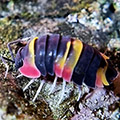 Ardentiella | 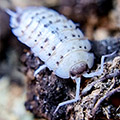 Porcellio |  Other isopods |
 Exuvium Isopods