
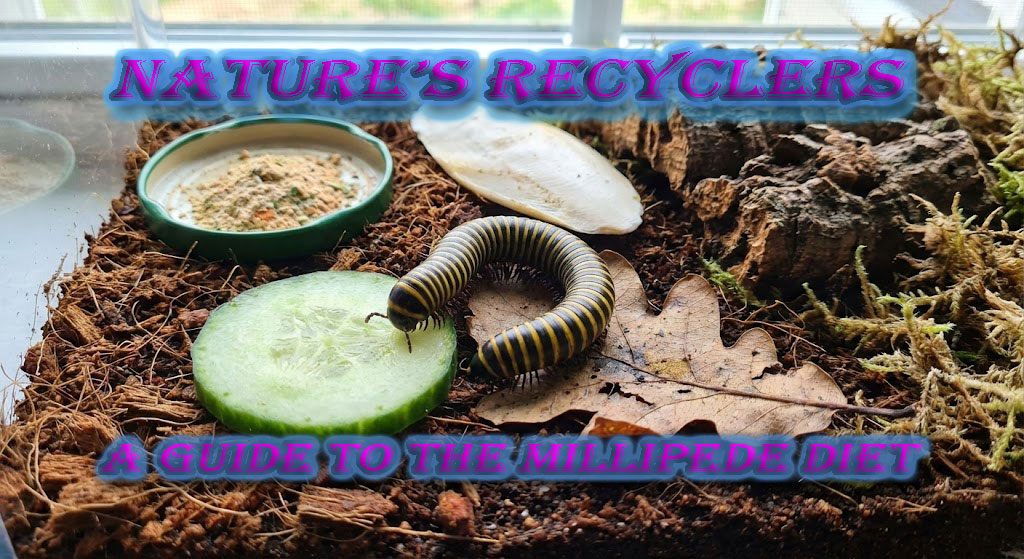
Millipedes are some of the most misunderstood and undervalued creatures in the animal kingdom. While they may look creepy to some, they play a vital role in our ecosystems. Unlike their predatory cousins, the centipedes, millipedes are generally gentle vegetarians. They are detritivores, meaning they specialize in breaking down dead organic matter.
Whether you are curious about their role in the wild or looking to care for a giant African millipede as a pet, understanding their diet is the key to their survival.
What Do Millipedes Eat in the Wild?
In their natural habitat, millipedes are the clean-up crew of the forest floor. They spend their days burrowing through the soil, consuming things that most other animals leave behind.
1. Decaying Plant Matter (The Staple)
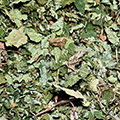
The vast majority of a wild millipede’s diet consists of damp, decaying leaves and rotting wood. They shred this material with their specialized mouthparts. As the food passes through their digestive tract, they extract nutrients and excrete “frass” (droppings), which is essentially high-quality fertilizer for the soil.
2. Fungi and Lichen
Millipedes are opportunistic. If they encounter moss, algae, lichen, or fungi on rotting logs, they will graze on them.
3. Occasional Carrion
While primarily vegetarian, some species will scavenge on dead insects or small animals if they stumble across them, utilizing the protein for growth.
What Do Millipedes Eat in Captivity?
Keeping millipedes (especially Giant African Millipedes or Bumblebee Millipedes) has become a popular hobby. However, a common mistake beginners make is offering only fresh vegetables.
In captivity, a millipede’s substrate (bedding) is its primary food source.
1. The Foundation: Leaf Litter and Wood
You cannot simply keep a millipede on coconut fiber or potting soil alone. They require a substrate rich in:
- Decaying Hardwood Leaves: Oak, maple, and beech leaves are excellent choices.
- Rotting Hardwood: White, crumbling wood found in forests.
- Warning: Avoid softwoods like pine, cedar, or spruce. The sap and resins in these woods are toxic to millipedes.
2. Fresh Fruits and Vegetables (Supplements)
While the substrate provides the bulk of their nutrition, fresh produce provides hydration and variety. You should offer these every few days.
- Favorites: Cucumber, zucchini (courgette), squash, melon, apples, pears, and bananas.
- Leafy Greens: Romaine lettuce, spinach, and dandelion greens.
Tip: Wash all produce thoroughly to remove pesticides, which are lethal to invertebrates.
3. The Calcium Requirement
This is the most overlooked aspect of millipede care. Millipedes need calcium to build their hard exoskeletons. Without it, they may die during a molt.
- Cuttlebone: The kind sold for birds is perfect. Scrape some powder over their food or leave a chunk in the tank.
- Crushed Eggshells: Bake them first to sanitize, then crush them into a fine powder.
- Lime: A small amount mixed into the soil can help.
4. Protein Supplements
To prevent millipedes from nibbling on each other (which can happen if they are protein-starved), offer a small amount of protein once a week.
- Fish flakes (high quality)
- Rehydrated dried shrimp
- Dog or cat kibble (high quality, soaked in water, but offer a tiny amount)
Foods to Avoid
Never feed your millipedes the following, as they can be harmful or toxic:
- Citrus fruits: Oranges, lemons, and limes (too acidic).
- Onions and Garlic: These contain compounds toxic to many insects and arthropods.
- Processed human food: Anything with salt, sugar, vinegar, or preservatives.
Summary Checklist for Owners
If you are setting up a tank, ensure you have:
- Deep Substrate: Mixed with rotting hardwood and leaves (about 10–15 cm deep).
- Calcium Source: Cuttlebone or powder.
- Fresh Veggies: Rotated every few days (remove before they mold).
- High Humidity: Keep the tank damp, as they drink mostly through droplets on the tank walls or food.
Check out also:
Premium Millipede Diet
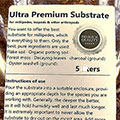
Substrate
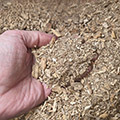

Leaf Litter



 Exuvium Isopods
Leave a comment